AMERICAN LLAMA MAGAZINE
  • Home
  • Issue Ten
  • Table of Contents
  • Previous Issues
    • Issue One
    • Issue Two
    • Issue Three
    • Issue Four
    • Issue Five
    • Issue Six
    • Issue Seven
    • Issue 8
    • Issue Nine
  • Sponsor Information
  • Blog
  • Shop

2025 Llama Market Report

12/27/2025

0 Comments

 
This is our 6th annual llama market report, combining sales results from the ILR Spring Showcase, Gathering, The Smith's Denim and Diamond Sale, the Willoughby Llama Rama sale, and Cascade llama sales. 
This is also the 2nd consecutive year of the llama market report being our only published work. If you're interested in hearing more about the future of the magazine, read our companion article. 

Statistics and Averages

191 llamas were included in the 2025 statistics. 
The gross for all sales was $615,300, for an average of $3,221. 
The median (exact middle) sales price was $2,300. 

The average for all females was $3,877 and the median was $3,150.
The average for all males was $2,007 and the median was $1,200.

The average for females under 2 years of age was $5,202 and the median was $4,000.
The average for females 2-10 years of age was $3,303 and the median was $2,000.
The average for females over 10 years of age was $2,353 and the median was $2,000. 

The average for males under 2 years of age was $2,346 and the median was $1,575.
The average for males 2-10 years of age was $1,550 and the median was $1,000.
The average for males over 10 years of age (4 lots in this category) was $2,450 and the median was $1,650.

Both the high selling female and male came from the Smith's Denim and Diamonds farm sale (this sale had by-far the highest average of the year, at more than $6,000).
The high selling female was MSF Cool Drink of Water for $22,000, a GNLC Crocket daughter. She sold to the Gerken family, Hard Rock Llama Company. 
The high selling male was MSF Hollywood for $10,250. He sold to Lauren Wright of Koconut Grove Stables. 
Picture
MSF Cool Drink of Water
Picture
MSF Hollywood

Comparing 2025 to 2024

191 total lots were a significant increase over 2024 (133), as well as a 6 year high since we started tracking this sales data. The 42 lots at the Smith sale made a significant difference in this regard. 
The averages for males and females decreased by a small margin, less than $100. Females moved from $3,936 in 2024 to $3,877 in 2025, and males moved from $2,043 to $2,007. 
The average for females under 2 years old increased nearly $1,000, from $4,207 to $5,202. The average for females over 10 increased modestly, while the average for females 2-10 decreased modestly. 
The average for males under 2 years of age increased slightly, while the average for males 2-10 decreased slightly. The average for males over 10 increased, but there were only 4 males in this category, including the famed GNLC Crocket. 
The key difference between 2025 and 2024 is that there was a decline in the median (the middle point for all sales prices) in nearly every category. This means that the top of the market is strong, perhaps even stronger, but the low and medium end of the market may be weakening. The exception to the lowering median was females under 2, which increased from $3,400 to $4,000. The median for females 2-10 decreased by $1,800, females over 10 stayed flat, the median for young males decreased by $475, and the median for males 2-10 decreased by $200. 
Picture​​In the comparison dating back to 2020, you see how flat the averages appear compared to last year.


Pricing Tiers

Thirty-eight females sold for more than $5,000 (28.23%). 
Forty-seven females sold for $2,000-$5,000 (37.9%). 
Forty-two females sold for less than $2,000 (33.87%). 

Six males sold for more than $5,000 (8.96%).
Eighteen males sold for $2,000-$5,000 (26.87%).
Forty-three males sold for less than $2,000 (64.18%).

​Seven females and one male sold for more than $9,000, with all but one occurring at the Smith's sale (the exception was Sapphire RTC at the Spring Showcase). This figure was up from 2024, when 3 animals sold for more than $9,000; but down from 2023 when 17 animals hit this tier. 
Picture
The historical comparison of pricing tiers does not show the stability of the prior chart on historical averages. The percentage of llamas selling for more than $5,000 (blue) had a slight increase, while the percentage of animals selling for less than $2,000 (red) increased, and the percentage of animals selling for $2,000 to $5,000 (green) decreased by a corresponding amount. 
This data aligns with the decline in medians. The top end is staying consistent, or even improving slightly, but the bottom and middle may be softening. 

Concluding Thoughts

As we move forward, 2022 continues to look like a recent peak of the market. My tracking started in 2020, and I reached back to 2019 for some level of comparison. 
Maybe one day I'll find the time to go back farther, but here is a taste of a farther back historical comparison. The high seller of the 2015 MLM sale was $4,000 and the average was $2,185. The high seller at the 2015 LFA sale was $5,500, with an average of $1,938. These were the top sales of the year, so a comprehensive average of the year 2015 would be significantly lower than the ~$2,000 average for these two sales. The 2025 average for females under two years old is on par with the high sellers of the year 2015. And the average for males in 2025 is on par with the average for all animals at the top sales of 2015. 
​
I am sure we are all looking forward to the spring of 2026. When next year's sales arrive I am looking forward to tracking the pricing trends once again. 
0 Comments

When are you publishing next?

12/22/2025

0 Comments

 
In 2023 we released our first print project, Best of Volume 1. As soon as this project was out the door I moved straight into releasing issue 10. As 2023 came to a close, and I was feeling the effects of burnout, I knew I wasn’t likely to release an issue the following spring. but I thought my hiatus from writing and publishing would be brief. It has been long, and I wanted to take a moment to discuss why for those who have been wondering. 
Picture
Picture
The first and foremost reason for the delay is that we moved to a new farm in the spring of 2024. A year and a half later I am finally feeling mostly caught up. In addition to moving all the llamas and 10 years worth of accumulated stuff, we have built a barn addition, a new barn, a stud shed, a chicken coop, and a couple thousand feet of fencing. We are also tree farmers now and have been battling blackberries and planting seedlings. I have stubbornly insisted on doing the work ourselves, as I don’t expect to have this kind of opportunity again in my lifetime. 

Secondly, I wrapped up my term as an ILR board member, and have continued serving as the project manager of the ILR database and website project. After more than a year of testing and weekly meetings (sometimes more frequently) the project is nearly complete. 
​

Neither the farm, magazine, or the ILR is my day job, which also had changes and challenges in the past two years. Both of these projects ate up my “spare time “ in 2024 and 2025. As our friend Ron Wilkinson of R&G Acres says, when reflecting on his years raising livestock while serving as a school district superintendent, “Well, you have to do something between 6pm and 6 am”.​
The final reason for the delay is that we have special things in the works for the magazine. A Best of Volume 2 is in the works, covering issues 6-10. I have spent some portion of my 6pm-6am hours trying to make the publishing process more smooth, so that I won’t need to be involved in order fulfillment. I have also been working on issue 11, which I believe will be our best issue to date.. I can’t commit to a publishing date for either project yet, but I am confident at least one will be released in 2026. 
​

You don’t have to look far to find me speaking with similar confidence about the outgoing year, 2025. In the blink of an eye the year was gone. It has been a fulfilling, memorable, and busy season of life. There have been many lessons learned in the realm of llamas that I look forward to sharing one day soon. 
Until then, please check out our only real publication of 2025, our 6th annual llama market report.
0 Comments

2024 Llama Market Report

12/17/2024

0 Comments

 
For the fifth year running, we present the end of year Llama Market Report! 
Many have noticed that this is the only piece of writing we published in 2024. In our personal lives we moved to a new farm this spring, and that has consumed all of our available free time. But things are finally beginning to come together for us at home, and we have things in the works for the magazine next year!
But back to the article at hand:

Statistics and Averages

133 Llamas were included in our 2024 statistics, combining results from the ILR Spring Showcase Sale, ILR Gathering Sale, Cascade Llama Sale, and all Justin Timm Auction Service online sales.
The gross for all sales lots was $443,450, for an average of $3,344. The median was $2,800 (exact middle sales price for all 133). 
The average for all females was $3,936, and the median was $3,500.
The average for all males was $2,043, and the median was $1,300. 

The average for females under 2 years old was $4,207, and the median was $3,400.
The average for females 2-10 years old was $3,989, and the median was $3,800.
The average for females over 10 years old was $2,333, and the median was $2,000.

​The average for males under 2 years old was $2,267, and the median was $2,050.
The average for males 2-10 years old was $1,638, and the median was $1,200.
Two males over 10 years old sold, for $1,100 and $1,300. 


The high selling llama of 2024 was HHNA China's Shall B for $10,800. Sold by Venesa Carter purchased by Debbie Shoff of Shoff Farms.
The high selling male was MSF Law and Order for $6,500, sold by Mark and Susan Smith to Michael and Patricia West. 
Picture
High Selling Female: HHNA China's Shall B

Comparing 2024 to 2023

133 sales lots was a decrease from 2023 (172), though the lack of a production sale (Llama Pickin' in '23), and no Fall/late summer auctions were likely the cause of this. Participation in sales that were held was reasonably steady. 
Averages for males and females were both down from 2023. 
Females moved from a $5,025 average and $4,375 median in 2023, to a $3,936 average and $3,500 median. 
Under 2 year old females had the smallest decline, from a $4,757 average in 2023 to a $4,207 average in 2024. 
2-10 year old females moved from an average of $5,509 to $3,908. 
Over 10 year old females moved from an average of $5,021 to $2,333. 

Male averages dropped from an average of $2,947 ($2,000 median) to an average of $2,043 ($1,300 median). 
Males under 2 years old dropped from an average of $3,143 ($2,325 median) to an average of $2,267 ($2,050 median).
 Males 2-10 had a small drop from $1,886 to $1,638 ($1,750 and $1,200 medians).
Picture
High Selling Male: MSF Law and Order
​While the comparison to last year's numbers aren't exactly favorable, we do now have the benefit of 5 years of data to compare to. We see steady growth from 2020-2022, with 2022 serving as the peak of this 5 year period. 2023-2024 had a slight decline, with 2024 settling slightly above 2020 averages. 
Picture

Highs and Lows

Sixteen females sold for under $2,000 in 2024 (17.4%), which was an increase from 7 in 2023 (5.5%). 
54% of females sold for between $2,000-$5,000 in 2024, up from 52% in 2023. 
28% of females sold for over $5,000 in 2024, down from 42.5% in 2023. 
Three females sold for over $9,000 (3.25%), down from 17 in 2023 (13.4%). 

Ten males sold for under $1,000 in 2024 (25%), this was up from three in 2024 (6.7%). 
56% of males sold for under $2,000, up from 44.5% in 2023. 
39% of males sold for between $2,000 and $5,000, basically even with 40% in 2023. 
Two males sold for over $5,000 in 2024, down from 7 in 2023. 

Pricing Tiers Through the Years

Picture
We also compared  pricing tiers, with a 6 year comparison going back to 2019. 
​Llamas (male and female) selling for under $2,000 gradually moved from a high of 58% in 2019 down to a. low of 16% in 2023. In 2024 there was an increase in this figure to 29%. This figure is higher than '21-'23, but lower than '19-'20. 
Llamas selling for more than $5,000 gradually moved from a low of 11%, and up to a. high of 36% in '22 and '23. 2024 saw a decline in this tier, to 21%. This was lower than '21-'23, but higher than '19-'20. 
Llamas selling for $2,000 to $5,000 has been very consistent. It moved from 30% in 2019 to 47% in '20, and 2024 saw the 6 year high at 49.6%. 

Concluding Thoughts

While we'd all love to see prices continue up and to the right, I hope that this data helps to provide some historical context and a starting point for pricing animals in the new year. I will be continuing forward with plenty of optimism for the llama community, 
0 Comments

2023 Llama Market Report

12/31/2023

1 Comment

 
This is our fourth annual llama market report, combining the sales statistics of auctions of registered llamas. As you consider selling or buying llamas in the new year, we think that this aggregate sales data can assist with pricing. This year's report includes statistics from the ILR Spring Showcase Sale, the ILR Gathering Sale, the Llama Pickin' production sale, the Cascade sale, and the online sales on Justin Timm Auction service. 
Picture
Statistics and Averages
172 total lots sold at these auctions in 2023 for a total of $773,750, an average of $4,473. 
The average for female llamas selling at auction in 2023 was $5,025, the median (exact middle) was $4,375.
The average for male llamas selling at auction in 2022 was $2,947, the median was $2,000.

The average for females under 2 years of age was $4,757 and the median was $4,000.
The average for females between 2 and 10 years of age was $5,509 and the median was $4,750.
The average for females over 10 years of age was $5,021 and the median was $5,000. 

The average for males under 2 years of age was $3,143, and the median was $2,325.
The average for males between 2 and 10 years of age was  $1,886 and the median was $1,750.
One male over 10 years of age was sold, bringing $8,000. 

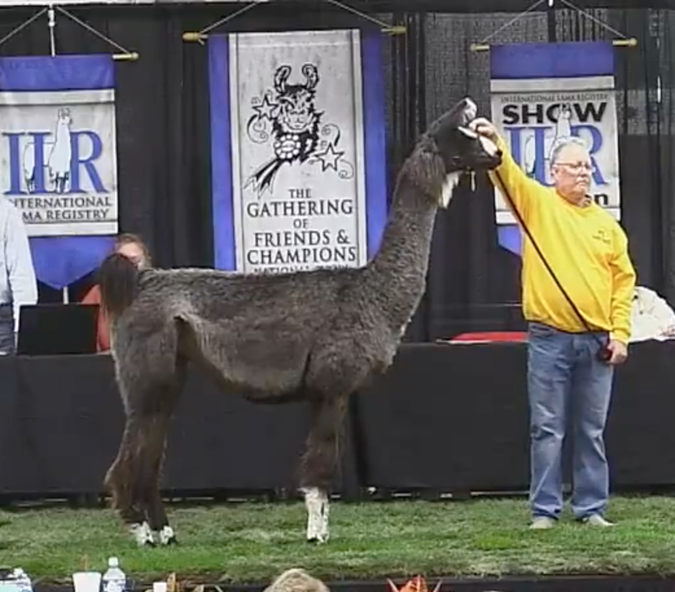
The high selling llama (female) in 2023 was Paradise RTC for $15,500, consigned by Randy and Tara Cipriano, selling to Bob and Marilyn Wynia at the ILR Gathering Sale. 
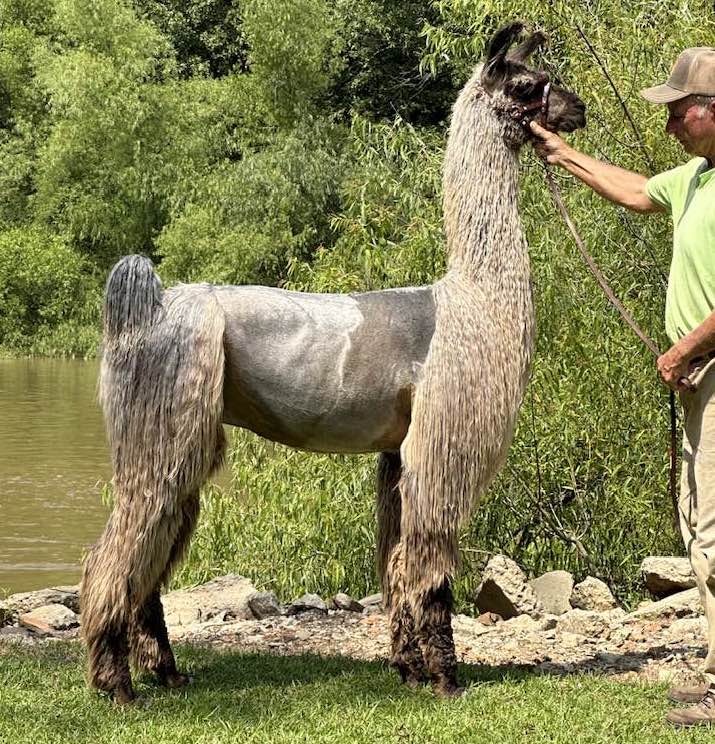
The high selling male was RCF Hard Whiskey for $8,250, sold by Harvey and Lisa Pool to Troy and Heidi Hill, sold via the Justin Timm Auction Service online sale in June (Firecracker). 
Picture
Paradise RTC with consignor Randy Cipriano. High selling llama of 2023 at $15,500.

​Comparing 2023 to 2022
The 172 total lots was a slight decrease from 2022 (185), though it was only one less than the number sold in 2021. More females and less males sold in 2023 than in 2022.
Since we started tracking this sales data in 2020, females under two years of age have always been the largest category. This year, 74 females under two sold, the highest for that category since we began tracking sales data. 
Females over 2 years of age continue to be less commonly sold, with 53 selling in 2023. This is a small decrease from 55 such females in 2022, but a large decrease from the 70 females over 2 years old who sold in 2021.  
The average price for females ($5,064) declined in 2023 from $5,665 in 2022. It should be noted that the average is higher than 2021 ($4,795), and that 2022 included the highest female price seen in many years (Ollendick Farms Baba Jo for $40,000).
The average price for young females saw the largest decline, with females under 2 averaging $4,757 in 2023, $7,034 in 2022, and $5,725 in 2021. 
The average price for females 2-10 years of age saw an increase in 2023, averaging $5,509 in 2023, after averaging $4,730 in 2022 and $4,183 in 2021. Females over 10 years of age saw an even larger increase, going from $3,211 in 2022 up to $5,021 in 2023. The median price for females went down only slightly, from $4,500 in 2022 to $4,350 in 2023. 

The average price for males stayed nearly the same in 2023, going from $2,976 in 2022 to $2,947 in 2023. Twenty-three less males sold in 2022, with a reduction in the number of young males being the primary difference. The median sale price for males was $2,000, down from $2,325 in 2022. 
Picture
RCF Hard Whiskey and consignor Harvey Pool. Top selling male of 2023 at $8,250.

​Highs and Lows
The bottom of the market improved in 2023, with one female selling for less than $1,000 and 7 females selling for less than $2,000. Both numbers were an improvement from 2022, where 4 females sold for less than $1,000 and 15 females sold for less than $2,000. 
Three males sold for less than $1,000 in 2023, and 20 males for under $2,000. Both of these numbers represented an improvement from 2022  (6 under 1k, 26 under 2k). 
At the top end of the market, 54 females sold for $5,000 in 2023, accounting for 42% of females sold (2022 had 55, accounting for 47%). 
Seventeen females sold for more than $9,000, down from 20 such females in 2022. 
Seven males sold for more than $5,000, and zero males sold for more than $9,000, down from 12 and 3 in 2022. ​​

Looking Ahead
The llama market has shown a remarkable amount of resiliency, with prices remaining strong through Covid, inflation, and stock market volatility. 2023 did not match the averages or heights of 2022, but when taking the longer view to 2021, 2020, or way back to 2013, the market is showing a trend of growth and stability. I am looking forward to the shows, sales, and everything else the New Year will bring in the world of llamas. Happy New Year!
​
Click here to view our 2022 Market Report
1 Comment

2022 Llama Market Report

12/31/2022

1 Comment

 
This is our third annual llama market report, combining the sales statistics of promoted auctions of registered llamas. We hope to provide the data, and a little commentary, to help you make purchasing and selling decisions at your farm. This year's report includes statistics from the March Llama Madness Sale, the ILR Gathering Sale, and the online sales on Justin Timm Auction service. 
Picture

Read More
1 Comment

Adding WiFi and a camera to your barn in less than an hour!

3/5/2022

0 Comments

 
A few weeks ago I got it in my head that I needed a camera in our barn. It seemed like a fun thing to be able to pull it up and check on the llamas while I was away. While researching barn cameras, they all required internet access to be able to see a live view. This led me down a rabbit trail of how to get internet from the house to the barn. Luckily, I found an option to easily get WiFi in the barn and a barn camera setup with a process that took under an hour and costs less than $200!
Picture

Read More
0 Comments
<<Previous

    Author

    Kyle Mumford is a third generation llama owner, and his family has owned llamas since 1980. Kyle and his wife Jerrika have a herd of approximately 25 llamas in Southwest Washington. 

    Categories

    All
    General Info
    Llama History

    RSS Feed

Proudly powered by Weebly
  • Home
  • Issue Ten
  • Table of Contents
  • Previous Issues
    • Issue One
    • Issue Two
    • Issue Three
    • Issue Four
    • Issue Five
    • Issue Six
    • Issue Seven
    • Issue 8
    • Issue Nine
  • Sponsor Information
  • Blog
  • Shop